 |
 |
 |
 |
 |
 |
 |
 |
 |
 |
 |
 |
 |
 |
 |
 |
 |
 |
 |

|
|||
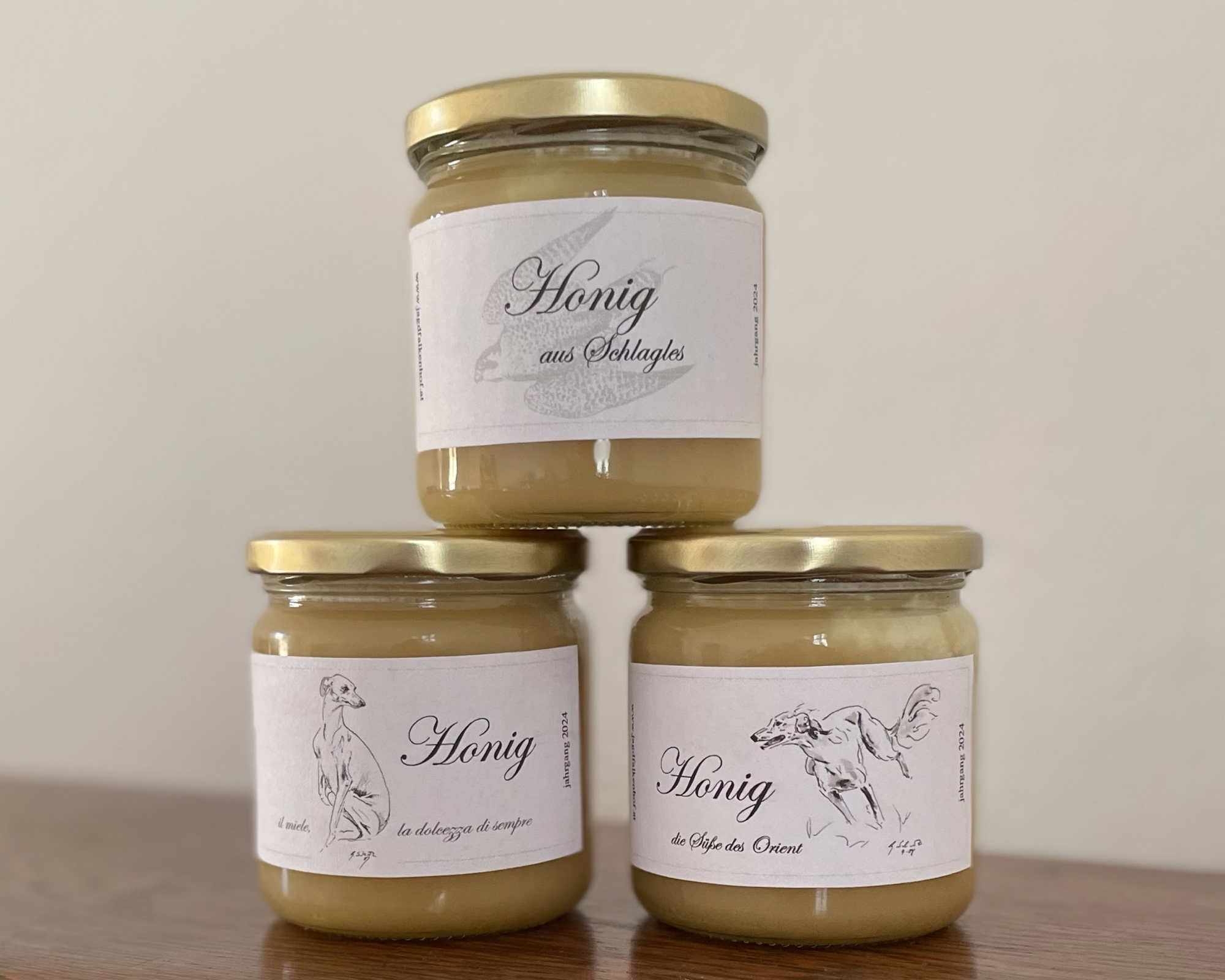 |
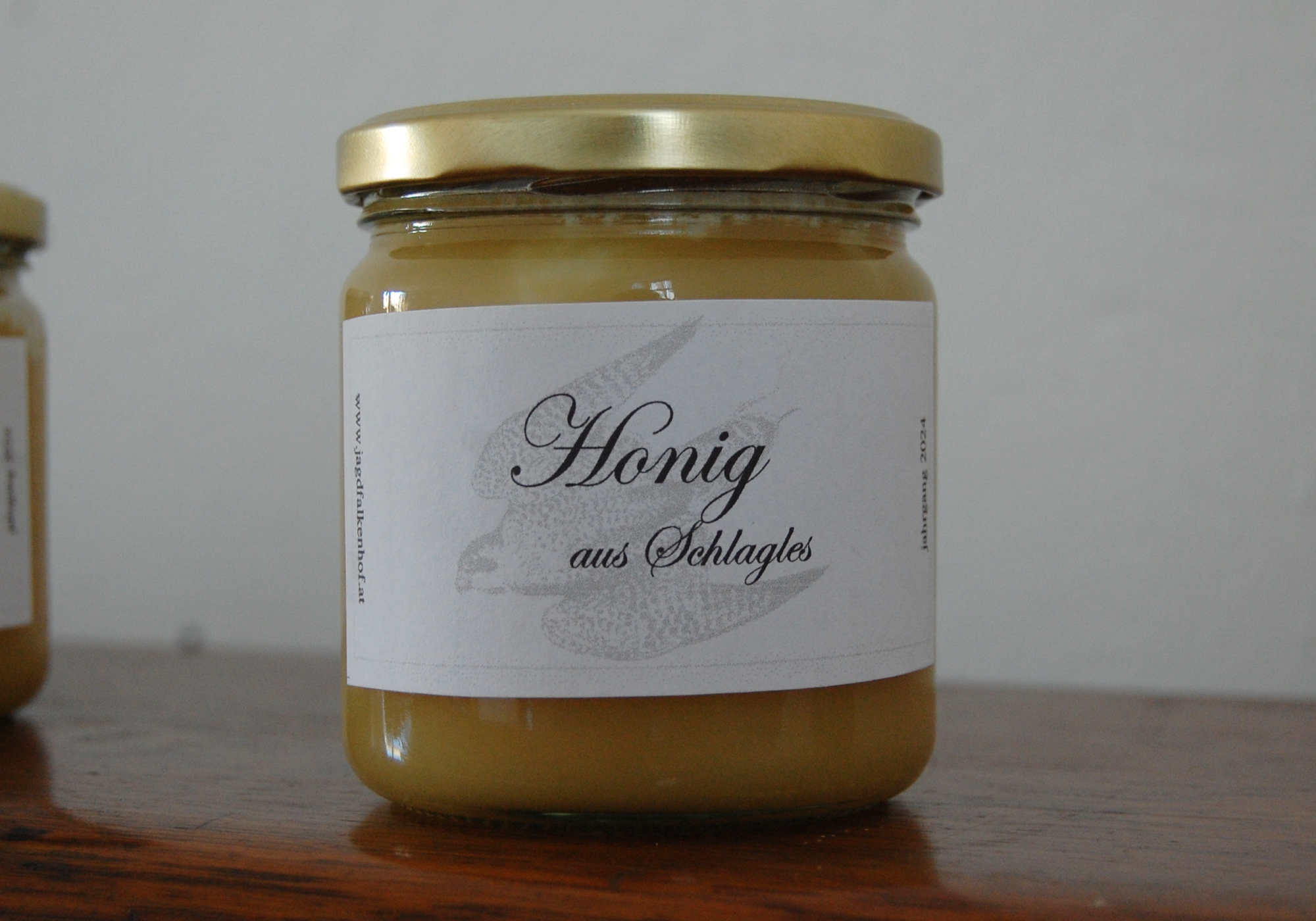
honey
from Österreichischer Jagdfalkenhof
|
||
 |
 |
 |
|
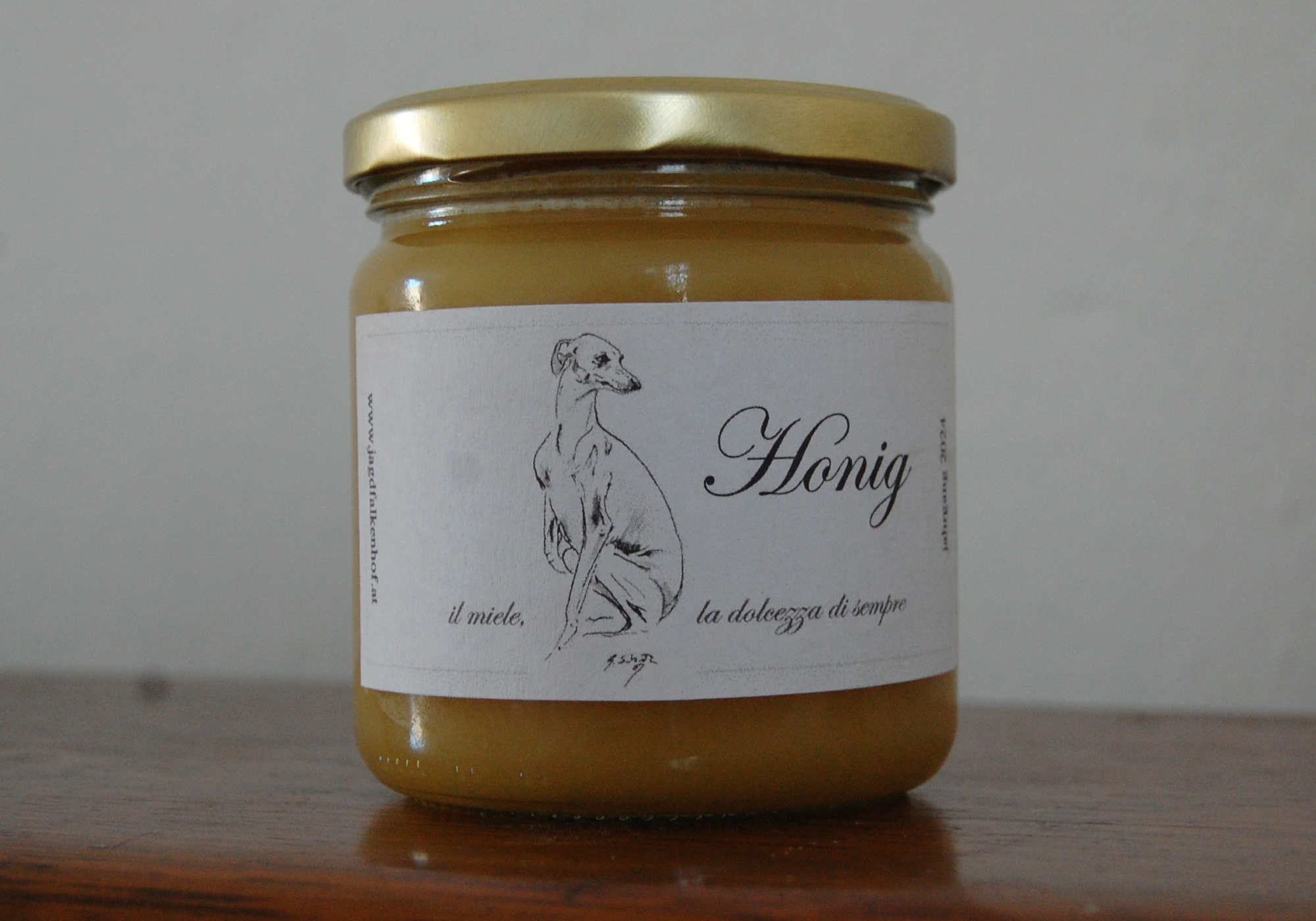
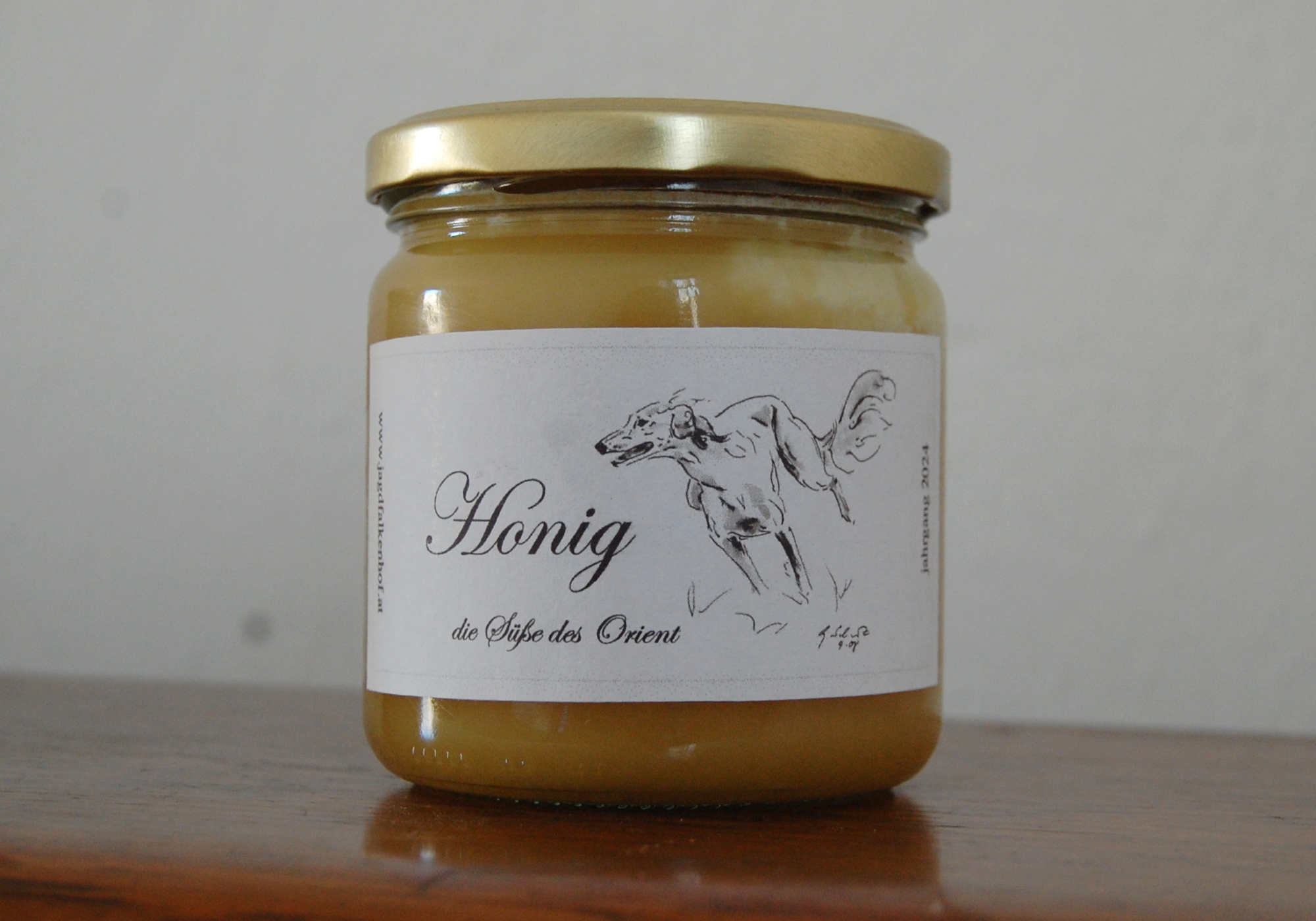
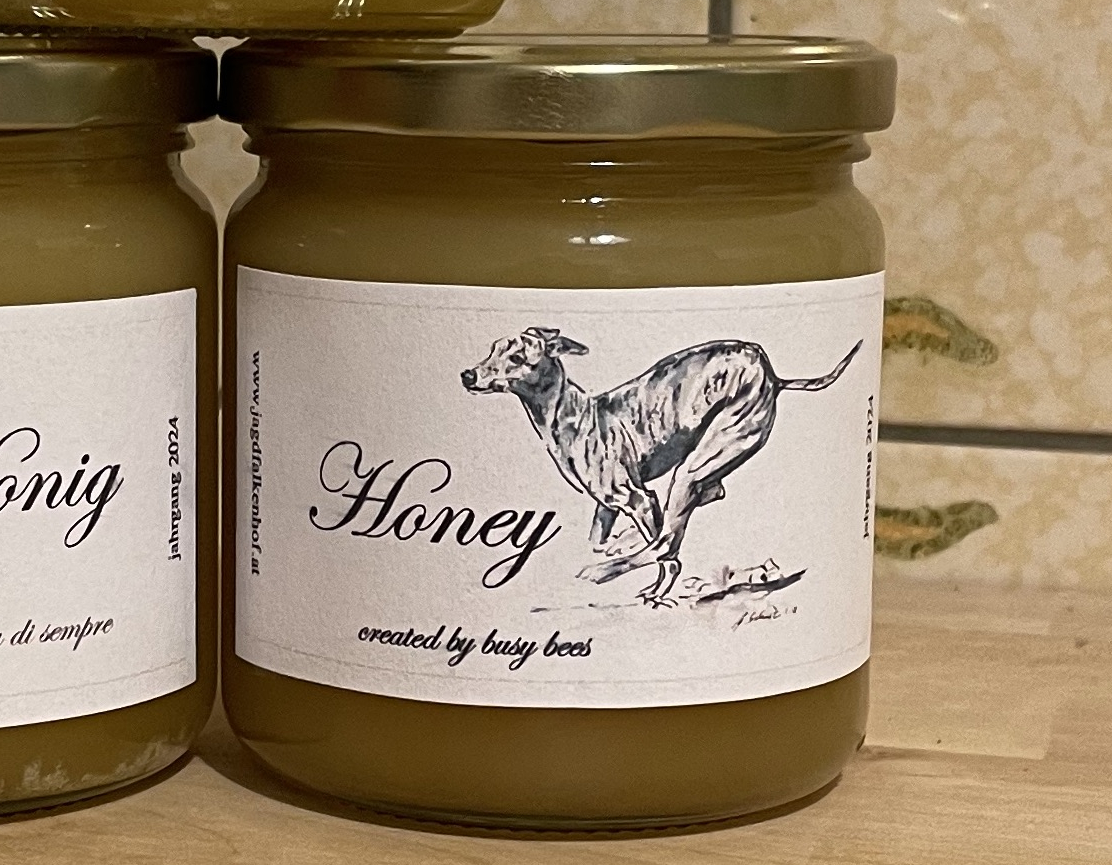
| label
motif: Italian Greyhound |
label motif: Saluki | label motif: falcon | |
|
|
 |
 |
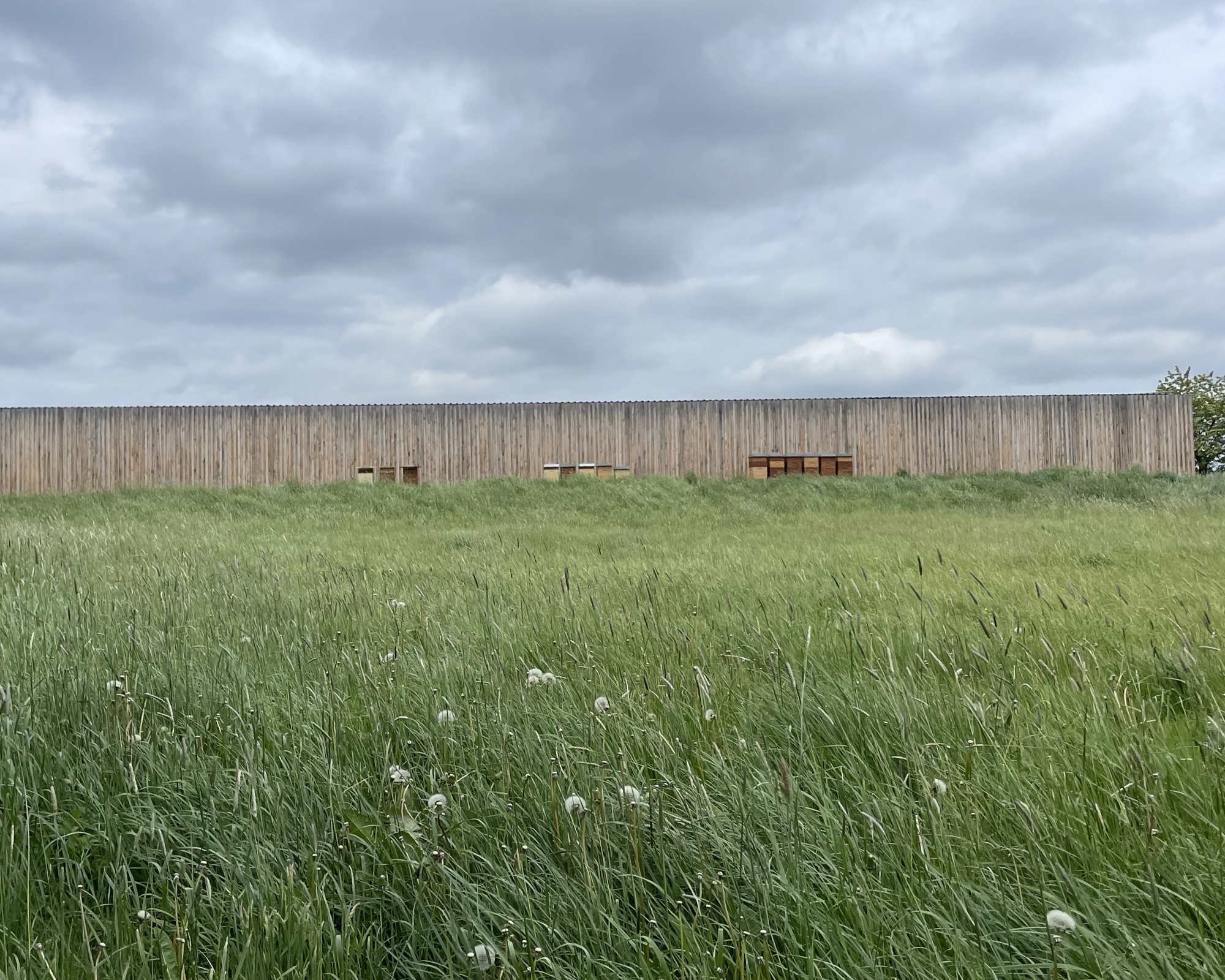
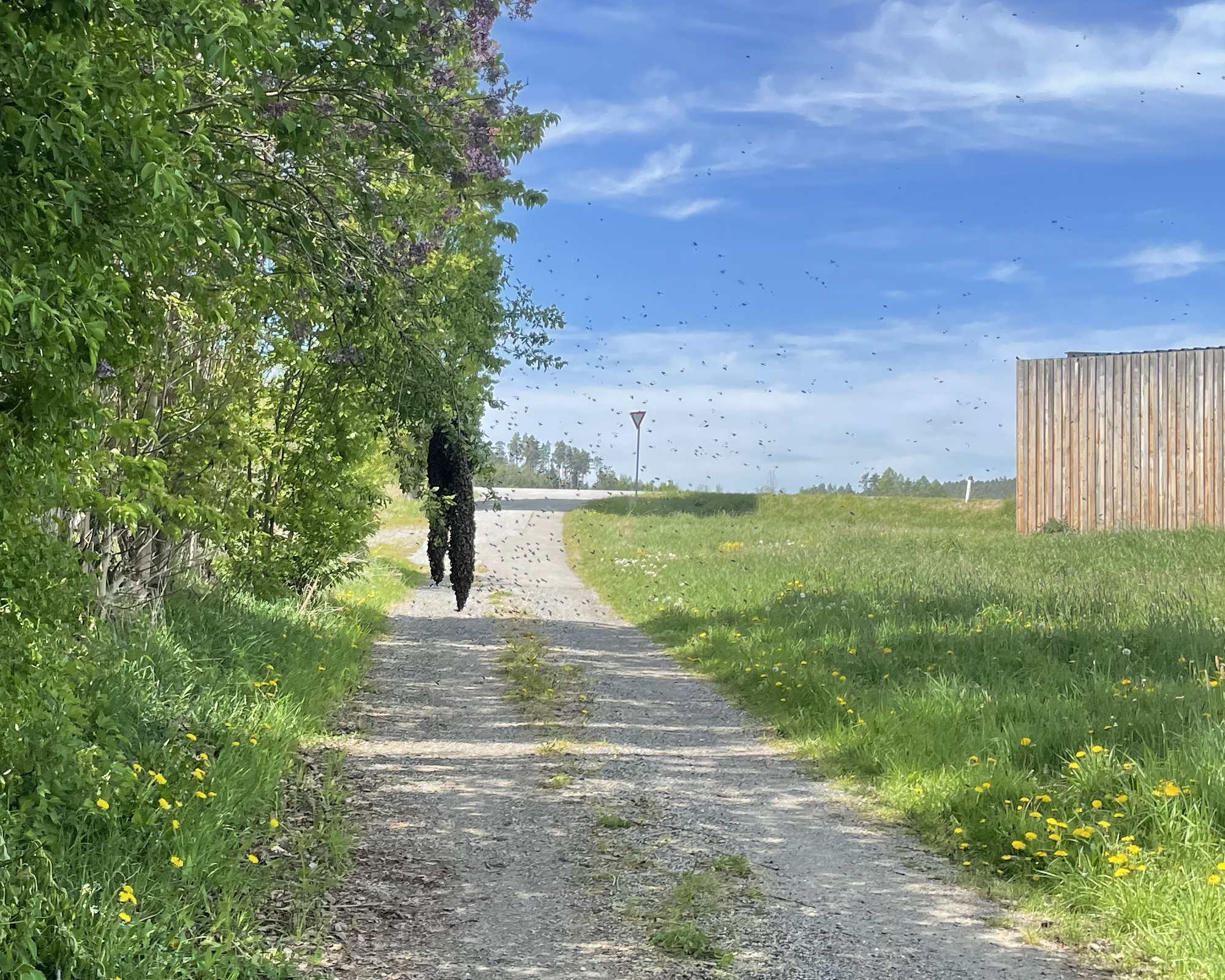
| Our beehives, on the south side of our falcon breeding facility | A natural swarm of bees, in the windbreak belt | label motif: Whippet | Back
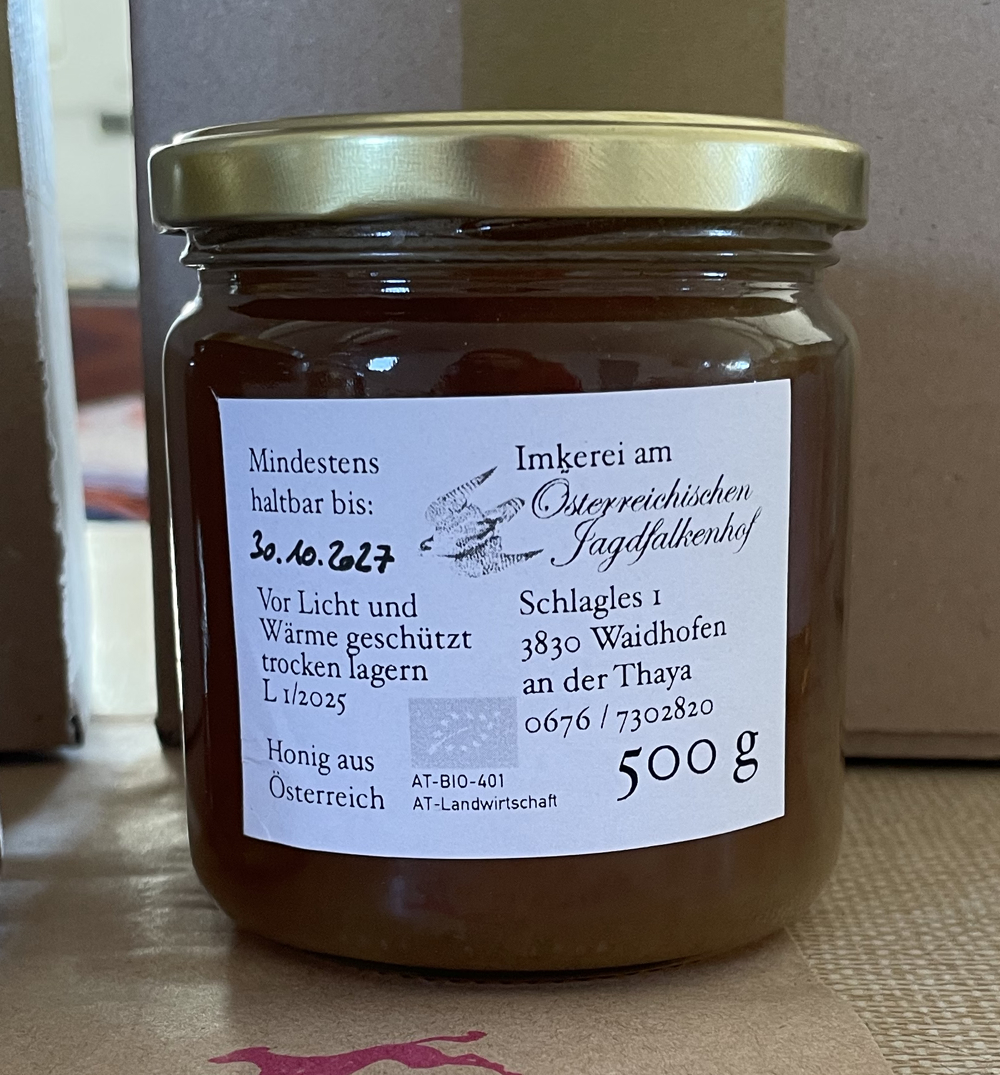
of honey jar, year 2025 |
 |
 |
 |
|
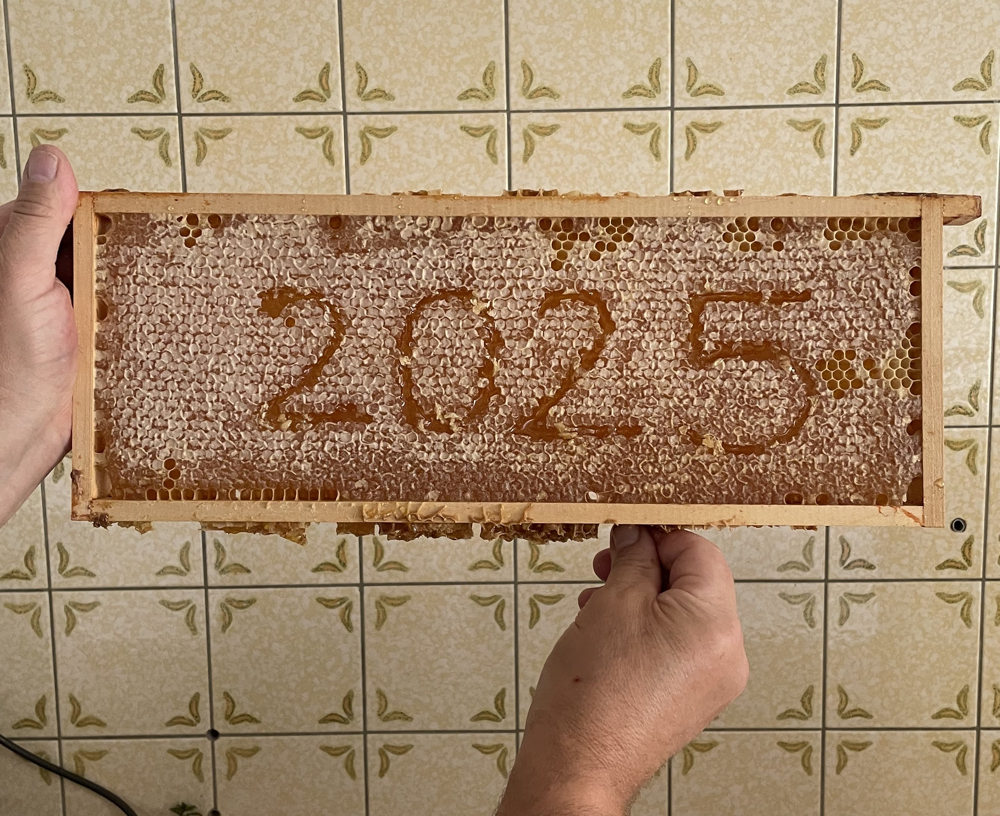
| frame
filled with honey and capped with wax from 2025 |
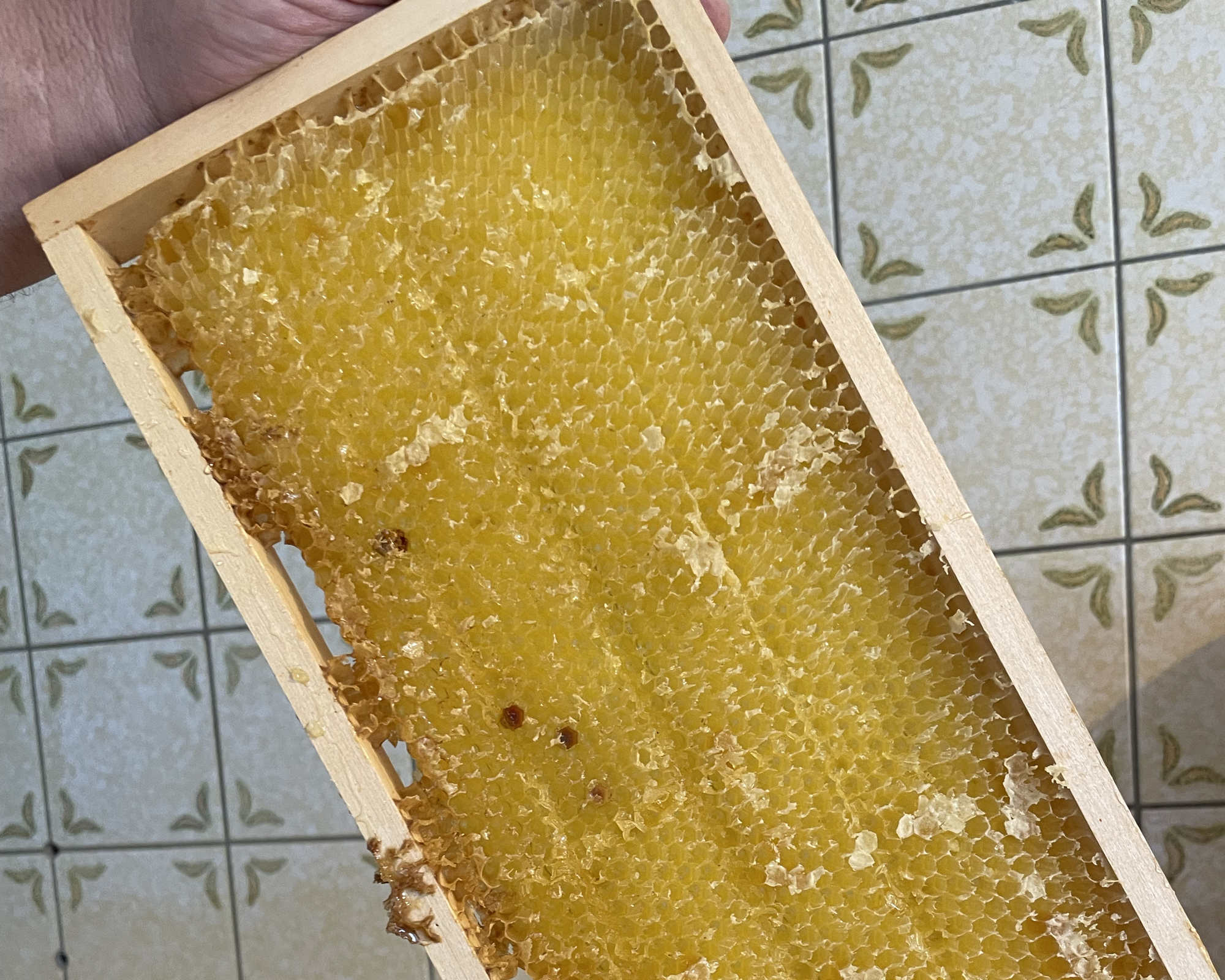
uncapped,
the stored honey come to ligth, with small deposits of
pollen |
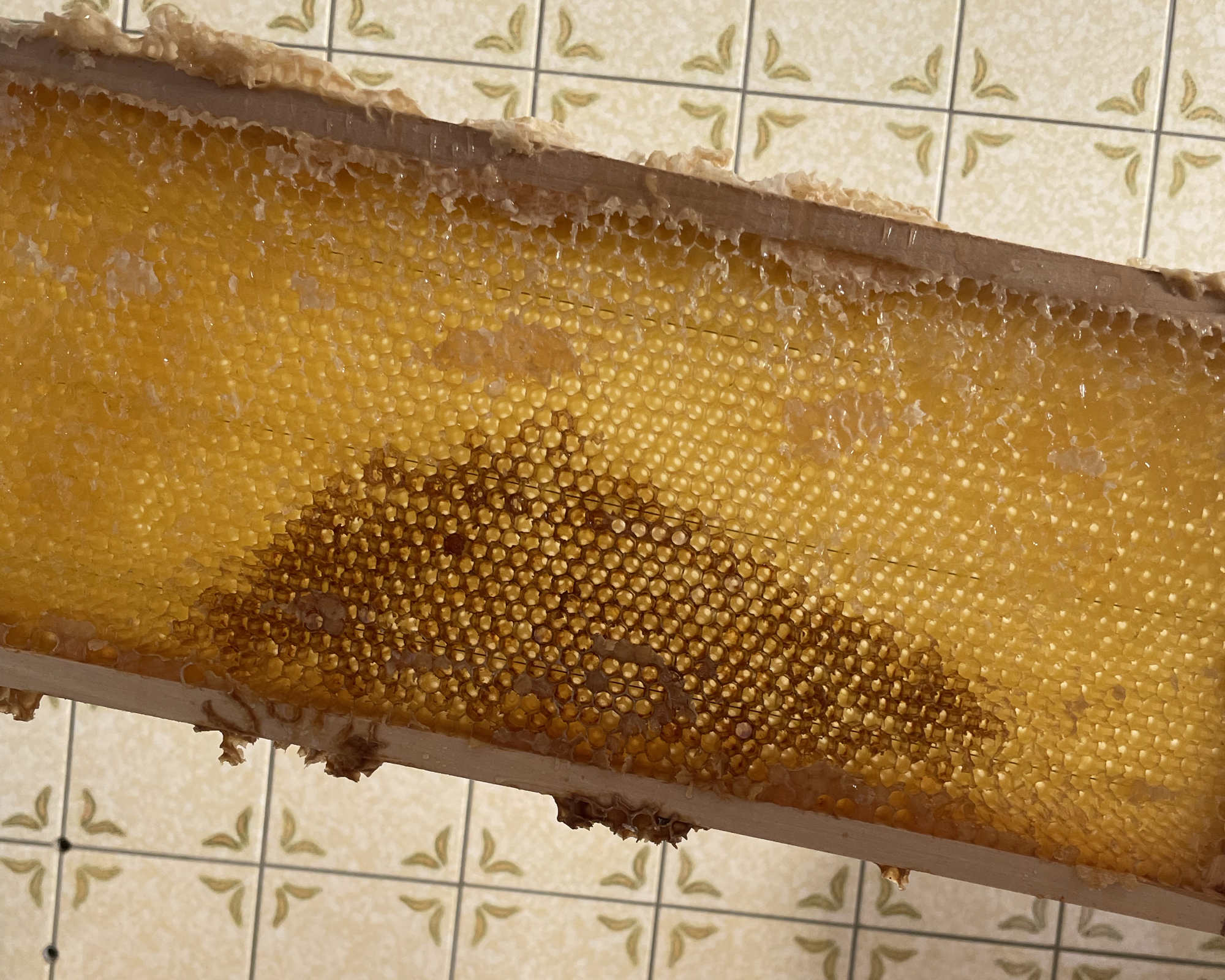
next
to the light blossom honey, the bees have also stored
dark forest honey |
|
|
|
price
for a 500g jar EUR 9,00 incl. VAT |
 |
|
| Attetion
delivery costs! within the EU only with Hermes or GLS for EUR 13,00 no shipping outside the EU |
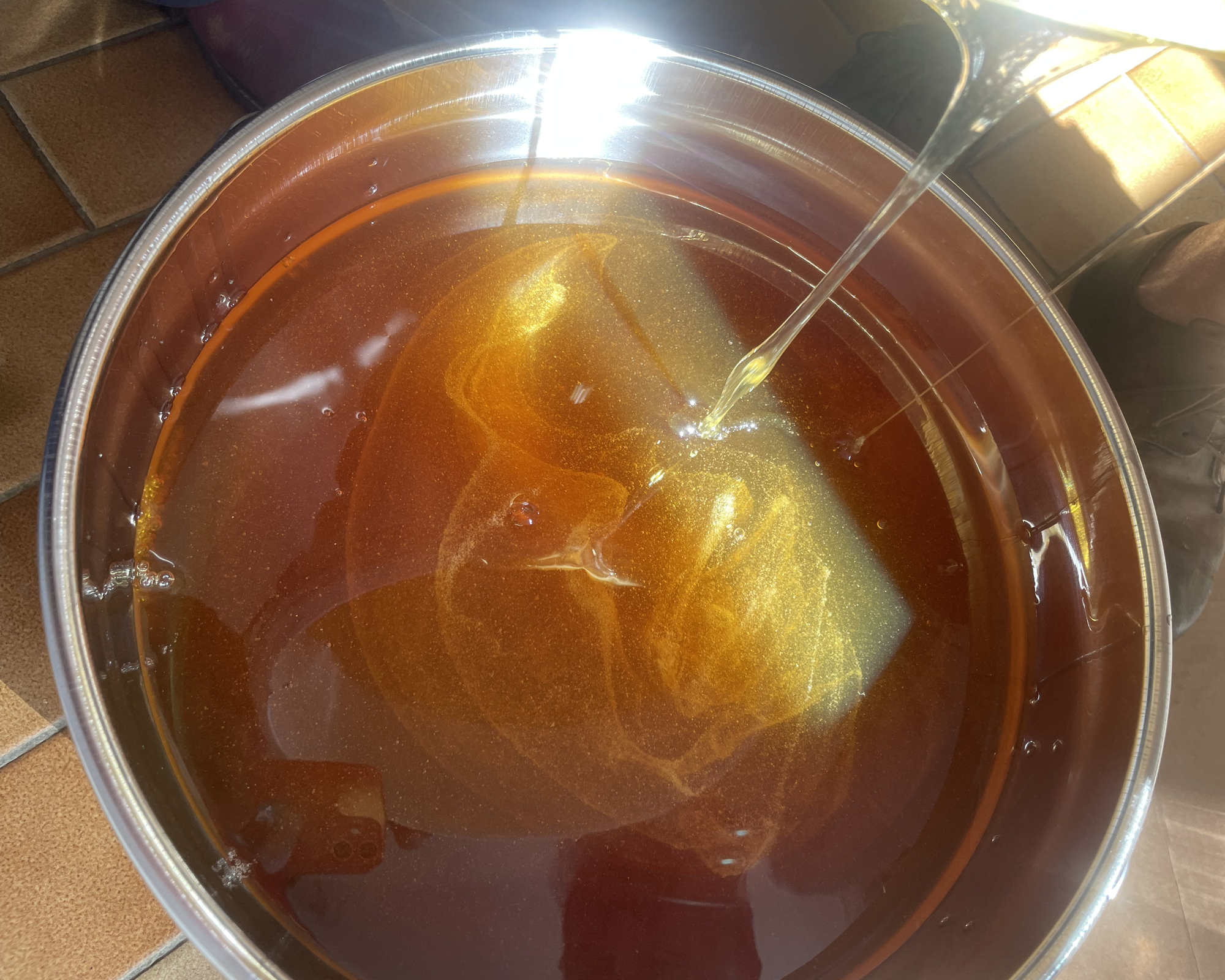
When
the honeycombs are spun, the honey flows out golden. Later it crystallizes in the jars and becomes more solid. |
||
 |
What
is "ORGANIC" about honey?
Of
course, we cannot tell our bees where to fly and get
their prey, but there are only three farmers near us,
one of whom cultivates according to organic
guidelines. But the other farmers also practice a
typical small-scale Waldviertel agriculture, with
compensation areas, green strips along the streams and
catch crops to improve the soil.
|
||